Examining Loyalty Structures: How Reward Programs Shape Engagement at Licensed Nordic Gaming Platforms
Parker Meier · Aug 18, 2026
Examining Loyalty Structures: How Reward Programs Shape Engagement at Licensed Nordic Gaming Platforms
License Nordic gaming platforms operate under strict regulatory frameworks that govern how reward programs function and interact with player engagement metrics, and these structures often combine points accumulation systems with tiered benefits that adjust according to activity levels recorded over specific periods. Operators track deposits, wagers, and session durations through centralized databases, which then feed into algorithms that calculate eligibility for cashback percentages, exclusive event access, or personalized game recommendations, while data collected in August 2026 showed continued expansion of such automated tracking tools across Swedish and Danish markets.
Points systems form the core of most loyalty structures, where players earn credits proportional to stakes placed on slots, table games, or live dealer offerings, yet conversion rates vary by platform and regulatory jurisdiction so that one point might equal different monetary values depending on the operator's license conditions. Researchers at Nordic institutions have documented how these mechanisms maintain consistent engagement because accumulated points unlock higher reward multipliers once players reach defined thresholds, and platforms frequently reset or carry over balances at the start of new calendar quarters to align with reporting requirements from authorities like Spelinspektionen.
Tiered Benefits and Retention Patterns
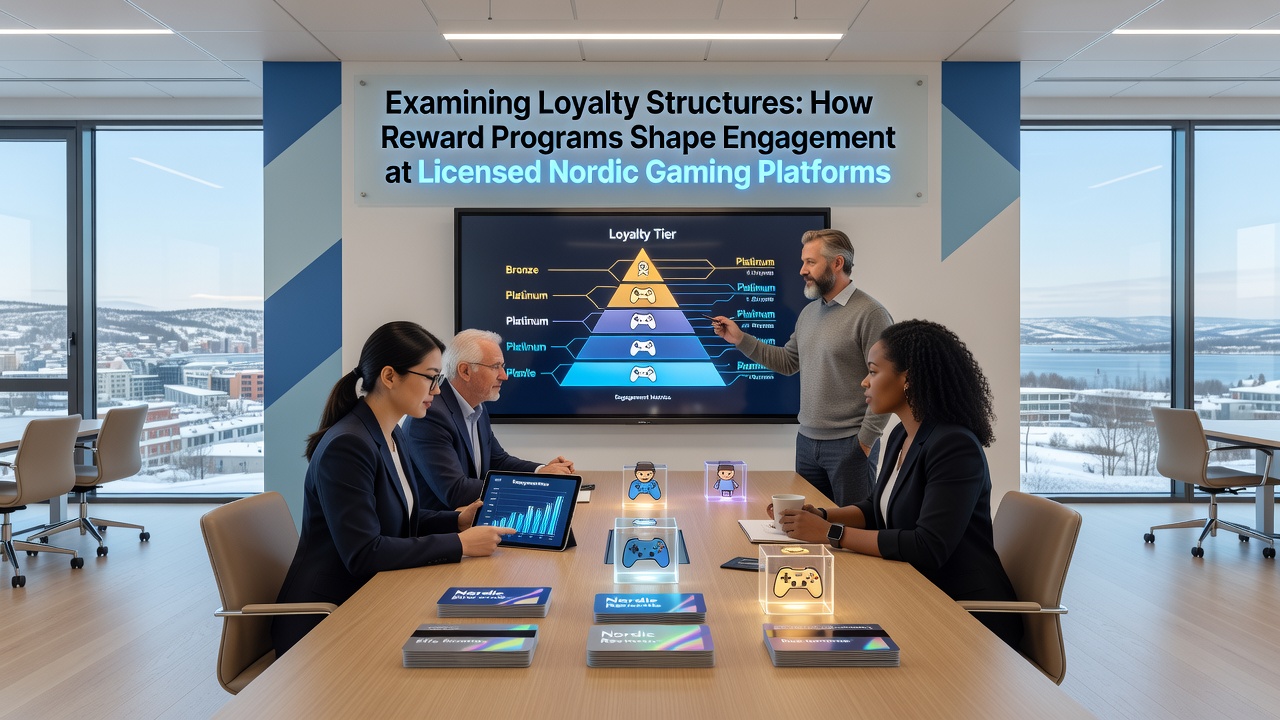
Multiple tiers appear in nearly every licensed Nordic program, beginning with entry-level status that grants basic cashback and progressing through silver, gold, and platinum designations that deliver faster withdrawal processing, dedicated account managers, and invitations to seasonal tournaments. Observers note that progression speed depends on rolling activity windows, typically spanning 30 to 90 days, so players who maintain steady participation avoid demotion while those who pause activity may drop levels automatically. Figures released by the Danish Spillemyndigheden indicate that tiered members generate higher average session lengths compared with non-tiered accounts, although exact percentages fluctuate with seasonal promotions.
Personalized rewards represent another layer, where platforms analyze individual betting histories to offer tailored free spins or deposit matches that match preferred game categories. This customization relies on machine learning models trained on anonymized datasets, and operators must obtain explicit consent for data processing under EU-wide rules that Nordic regulators enforce uniformly. One study from a Finnish research consortium found that targeted offers increased repeat login rates during monitored periods, yet the same analysis highlighted that overly frequent notifications sometimes correlated with temporary declines in participation when players perceived the communications as intrusive.
Regulatory Oversight and Compliance Requirements
Licensed operators must submit detailed reports on loyalty program mechanics to their respective authorities, including how points are awarded, redeemed, and expired, because regulators require transparency to prevent programs from functioning as disguised inducements that bypass responsible gaming limits. In August 2026, updated guidelines from Norwegian authorities emphasized clearer disclosure of tier expiration rules and mandatory cooling-off periods before players could re-enter higher tiers after voluntary exclusion. These measures aim to balance commercial objectives with consumer protection standards that apply across borders within the Nordic region.

Cross-border players encounter additional complexity when programs recognize activity from multiple licensed sites owned by the same parent company, since shared loyalty wallets allow points to transfer between platforms while still respecting each license's separate responsible gaming obligations. Industry associations such as the European Gaming and Betting Association have published position papers outlining best practices for data sharing that maintain compliance, and these documents stress the importance of unified player tracking systems that flag potential risk indicators regardless of which subsidiary handles the account.
Technical Implementation and Data Analytics
Modern loyalty engines integrate directly with game servers and payment processors so that points accrue in real time, and this instantaneous feedback loop encourages continued play because visible progress bars update after each completed round. Analytics teams monitor cohort retention by comparing engagement curves before and after program enrollment, and several peer-reviewed papers from Scandinavian universities demonstrate measurable differences in churn rates between participants and non-participants during equivalent observation windows. Platforms also deploy A/B testing frameworks to refine reward schedules, testing variations such as higher cashback percentages against bonus credit alternatives while staying within approved marketing parameters.
Security protocols protect accumulated balances against unauthorized access, with two-factor authentication required for redemption and audit trails maintained for regulatory inspection. When players reach maximum tier status, operators sometimes introduce invitation-only events that combine social elements with gaming, such as private tournaments or hospitality packages, yet these remain subject to the same advertising restrictions that govern all promotional activity under Nordic licensing conditions.
Conclusion
Loyalty structures at licensed Nordic gaming platforms continue to evolve through iterative adjustments that respond to both player behavior data and regulatory updates, and the interplay between points systems, tier benefits, and compliance requirements shapes engagement patterns in measurable ways. Ongoing monitoring by authorities ensures these programs operate within defined boundaries while platforms refine their approaches using analytics that track retention across different demographic segments. As August 2026 data already illustrates, the balance between commercial incentives and protective safeguards remains a central focus for everyone involved in the regulated Nordic gaming sector.