Mapping Promotion Layering Patterns Across Sweden's Regulated Mobile Gaming Platforms
Freya Weber · Aug 23, 2026
Mapping Promotion Layering Patterns Across Sweden's Regulated Mobile Gaming Platforms
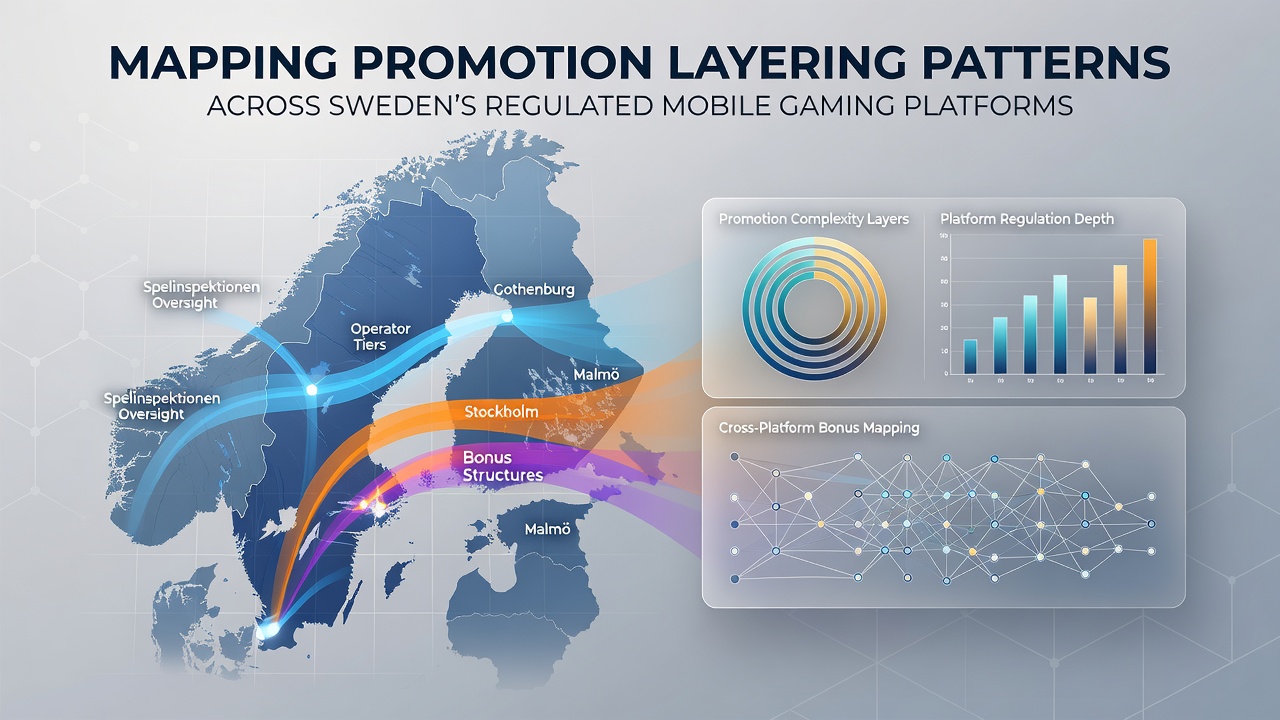
Sweden's regulated mobile gaming sector operates under strict oversight from Spelinspektionen, and operators continue to develop intricate promotion layering systems that combine multiple reward types within single player accounts. These systems typically stack welcome offers with reload bonuses, cashback mechanisms, and loyalty multipliers while remaining compliant with national licensing rules that limit bonus structures and require clear terms disclosure.
Platform data collected through 2025 into August 2026 reveals consistent patterns where mobile operators present initial deposit matches alongside free spin allocations that then feed into ongoing reward cycles. Players encounter these layers through app interfaces that track progress across separate categories such as wager requirements, time-limited events, and tiered loyalty status. The approach allows operators to maintain engagement without violating the 2023 amendments that cap certain bonus frequencies.
Regulatory Context Shaping Layer Combinations
Swedish law requires all promotional activity to appear transparent, and this forces operators to design layering sequences that separate bonus funds from deposited amounts in real time. Mobile platforms display these distinctions through dedicated dashboards that update after each qualifying action, whether a deposit or a completed wager set. Research from the Swedish Gambling Authority indicates that layering remains most visible in the mobile segment because session lengths tend to exceed desktop averages and allow more frequent interaction points.
Operators must also adhere to self-exclusion tools that interact directly with layered promotions, pausing or canceling active offers when a player activates Spelpaus. This integration creates additional technical requirements for tracking systems, yet most licensed brands have adapted by building automated suspension triggers into their mobile reward engines.
Observed Layering Sequences in Mobile Environments
Analysis of active platforms during the first half of 2026 shows three dominant layering sequences. The first begins with a registration incentive that unlocks after identity verification, followed by a deposit match that converts into loyalty points once wagering completes. The second sequence introduces weekly reload offers that stack with cashback percentages calculated on net losses, and these often connect to seasonal events running on fixed calendars. The third pattern uses tournament entries earned through standard play that then unlock additional spin packages or multiplier boosts.
Mobile-specific design choices influence how these sequences appear. Push notifications alert users when a new layer becomes available, and in-app calendars mark upcoming events that affect existing bonuses. Observers note that operators time these notifications to coincide with peak usage hours, typically evenings and weekends, to encourage continued sessions without breaching responsible gaming guidelines.
Technical Implementation Across Licensed Brands
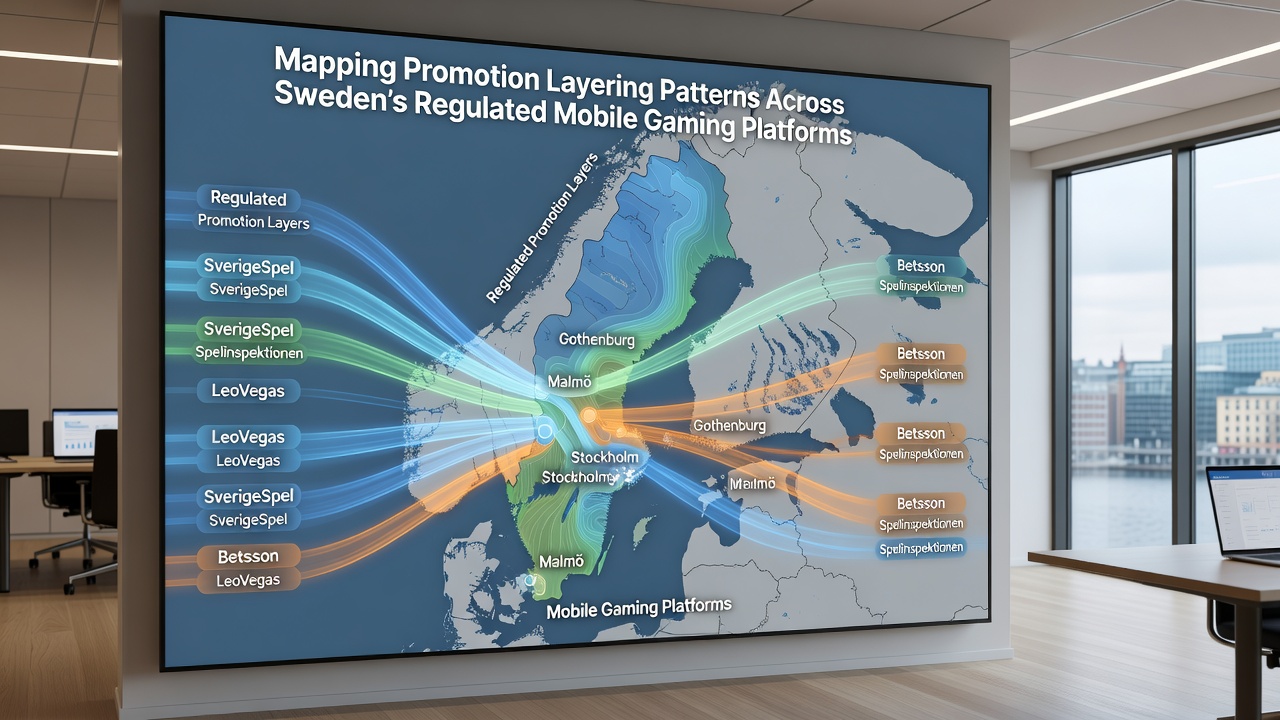
Backend systems handle the complexity of multiple active layers by assigning unique identifiers to each promotional element. When a player completes a wager, the software allocates portions of the result across every eligible layer according to predefined priority rules. This prevents overlap disputes and ensures that players receive accurate balances after each round. Data from industry monitoring groups shows that error rates in these calculations dropped noticeably after August 2026 updates to common API standards among Swedish licensees.
Third-party providers supply many of the loyalty engines used by smaller operators, and these tools must pass Spelinspektionen audits before integration. Larger brands maintain in-house systems that allow finer control over layering variables such as expiration timers and contribution percentages toward wagering targets. Both approaches produce similar visible patterns for end users, though the underlying data flows differ in granularity.
Player Journey Mapping and Retention Metrics
Studies tracking account activity across multiple operators reveal that players who engage with at least two simultaneous layers tend to maintain higher deposit frequency over six-month periods compared with those using single promotions. The difference appears in session count rather than average stake size, suggesting that layered rewards encourage repeated logins. Mobile apps facilitate this through persistent progress bars that remain visible even when players switch between game categories.
Geolocation requirements tied to Swedish licenses further shape these patterns, because players must remain within national borders for promotions to activate. Operators therefore embed location checks into the same systems that manage layering, creating an additional verification step at the start of each session.
Conclusion
Promotion layering in Sweden's regulated mobile gaming market follows identifiable sequences that balance commercial goals with licensing constraints. Data gathered through August 2026 demonstrates stable adoption of multi-layer systems across licensed platforms, supported by technical standards that track every component in real time. These patterns continue to evolve within the boundaries set by Spelinspektionen while responding to player behavior recorded through mobile interfaces.