Regulatory Changes Reshaping Incentive Patterns in Sweden's Licensed Digital Gaming Sector
Finley Keller · Aug 25, 2026
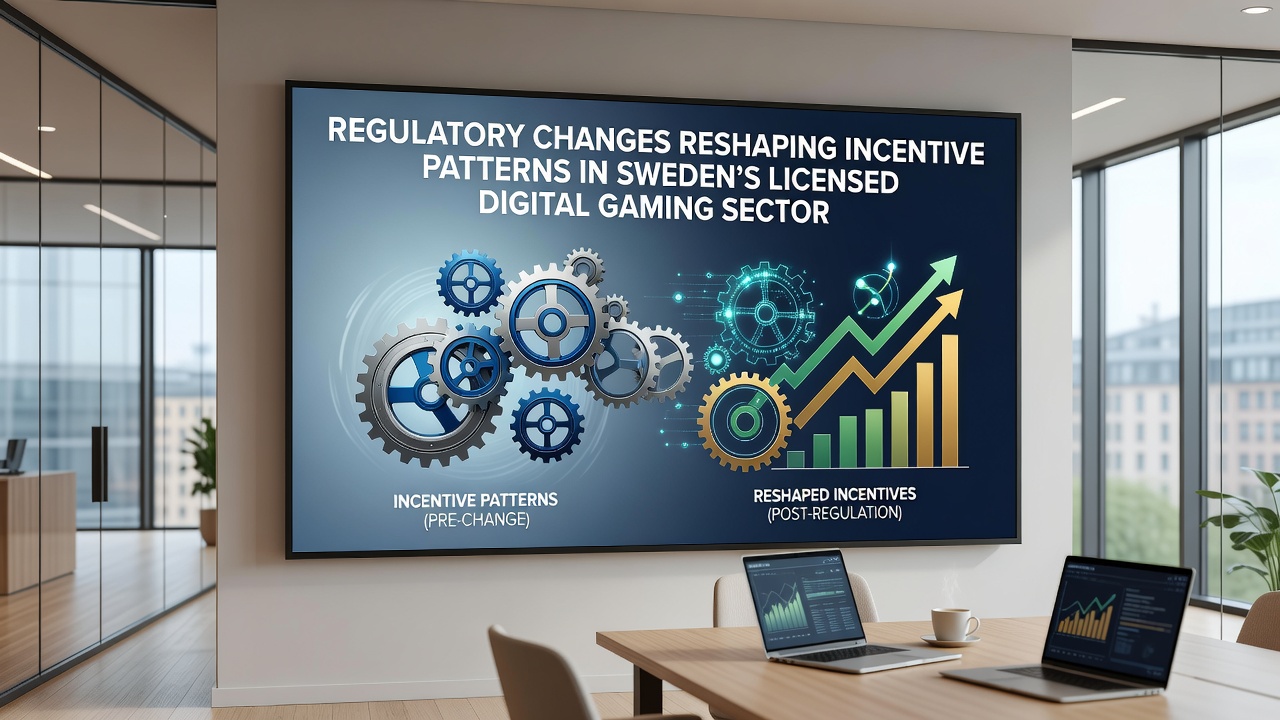
Regulatory Changes Reshaping Incentive Patterns in Sweden's Licensed Digital Gaming Sector
Sweden's licensed digital gaming sector continues to adapt to evolving regulatory frameworks that directly influence how operators structure player incentives, and data from the national authority shows measurable shifts in bonus offerings and loyalty mechanics since the 2019 market re-regulation. Those frameworks, administered through Spelinspektionen, have introduced tighter parameters around promotional activities, deposit bonuses, and reward programs that licensed platforms must follow to maintain compliance.
Background on Sweden's Licensing System
Operators seeking to serve Swedish players must hold a license issued by Spelinspektionen, which enforces rules on advertising, responsible gaming tools, and the design of incentive schemes. The licensing model requires continuous reporting on player activity and promotional spend, creating a transparent environment where regulators can track how incentives affect engagement patterns across the market.
Key Regulatory Adjustments and Their Timing
Amendments rolled out in phases have placed caps on certain bonus types while requiring clearer disclosure of wagering requirements and expiration dates. Observers note that these adjustments aim to align promotional practices with broader consumer protection goals, and figures released by the authority indicate a decline in high-value no-deposit offers since stricter guidelines took effect. In August 2026, additional provisions scheduled to activate will further standardize how loyalty points convert into cashable rewards, prompting platforms to revise their point accumulation rates and redemption thresholds accordingly.
Effects on Bonus Structures
Licensed operators have responded by shifting emphasis from large upfront bonuses toward ongoing reward systems that spread value across longer player lifecycles, and industry reports document increased use of cashback mechanisms and personalized free spin allocations that comply with the new spending caps. Research indicates these modifications have altered the average bonus-to-deposit ratio across Swedish-facing sites, with many platforms reducing maximum bonus percentages to stay within permitted limits while still attracting new accounts.
Take one major operator that restructured its entire welcome package after the latest round of guidance, replacing a single large deposit match with a series of smaller, time-released rewards that accumulate only after verified play sessions. This approach satisfies disclosure rules and allows the platform to maintain competitive positioning without triggering additional compliance reviews.
Impact on Player Engagement Patterns
Statistics compiled by the regulator reveal that players now encounter fewer aggressive bonus campaigns during initial registration flows, yet engagement metrics for established accounts remain stable because loyalty programs have expanded in scope. Those programs must now incorporate mandatory responsible gaming prompts at redemption stages, a requirement that has prompted software providers to integrate new notification layers into their backend systems.
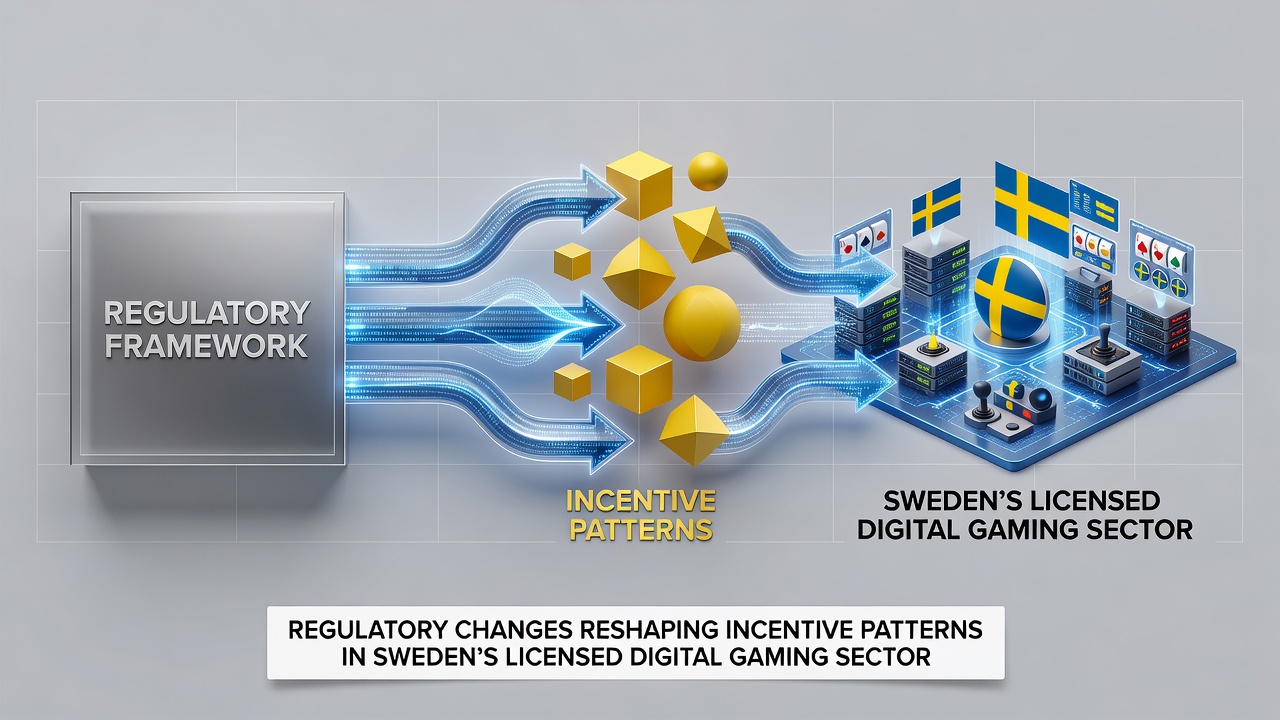
What's interesting is how these changes have encouraged cross-border operators to harmonize their Swedish offerings with requirements seen in other Nordic jurisdictions, creating more uniform incentive designs that reduce development costs while meeting multiple regulatory standards simultaneously. Data from Spelinspektionen shows that platforms adopting unified structures report fewer compliance incidents related to promotional content.
Compliance Costs and Operational Adjustments
Meeting the updated rules demands investment in monitoring software and legal review processes, and smaller licensed entities have consolidated certain promotional functions through third-party providers to spread those expenses. Larger groups, meanwhile, have developed internal audit teams dedicated solely to incentive compliance, tracking every campaign against the authority's evolving checklist of permitted features.
One study published by Nordic academic researchers examined how these operational shifts influence market concentration, finding that operators with robust compliance infrastructure captured a larger share of new player registrations in the quarters following each regulatory update. The same research highlighted increased collaboration between operators and software vendors to embed regulatory checks directly into bonus engines, reducing the risk of post-launch adjustments.
Future Outlook for Incentive Design
With provisions set for August 2026 now approaching implementation, licensed platforms continue testing revised loyalty tiers that emphasize time-on-site metrics over pure deposit volume. These experiments occur under close regulatory observation, and preliminary submissions to Spelinspektionen suggest operators are exploring hybrid models that combine fixed rewards with performance-based elements still compliant with upcoming caps.
Conclusion
Sweden's regulatory trajectory demonstrates how targeted adjustments to incentive rules reshape both operator strategies and player behavior within a licensed digital gaming environment. Continued monitoring through official channels will determine whether the August 2026 measures produce further convergence in promotional offerings across the sector, and ongoing data collection remains essential for assessing long-term effects on market dynamics.